


Unlocking the Secrets of Financial Success: What You Need to Know
January 09, 2025
3 min
In the world of finance, few topics ignite as much debate as tariffs and their implications on companies like Companhia Siderurgica Limited (CSN). With the global economy constantly shifting, understanding how tariffs can influence free cash flow (FCF) is essential for investors.
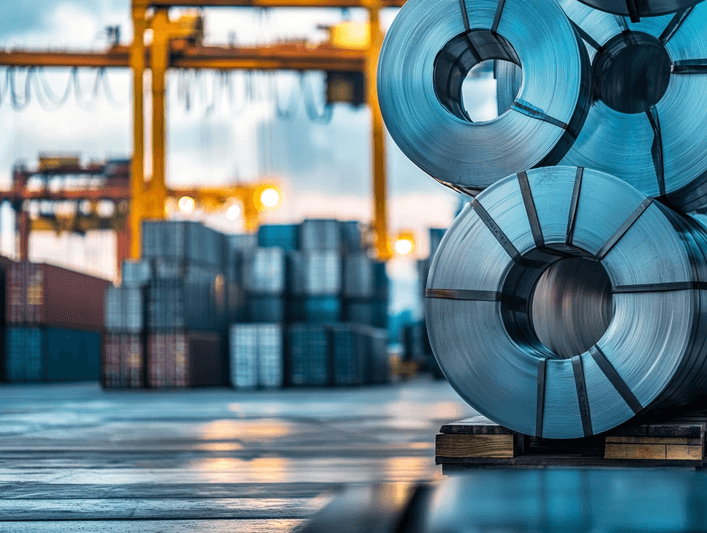
Tariffs, essentially taxes on imported goods, can significantly alter the competitive landscape for domestic producers. For CSN, a company deeply entrenched in the steel industry, these tariffs could serve as a double-edged sword. On one hand, they can protect local businesses from foreign competition, potentially boosting sales and profit margins. On the other hand, they can lead to increased costs for raw materials, which could squeeze margins if not managed effectively.
Vertical integration is another critical factor that can dramatically affect CSN’s financial performance. By controlling multiple stages of production, from raw materials to finished products, CSN can reduce costs and improve efficiency. This strategy not only helps in managing supply chain risks but also enhances pricing power in the marketplace.
The combination of tariffs and vertical integration could create a powerful synergy for CSN, potentially multiplying its free cash flow. But how exactly can these factors work together to enhance profitability?

When tariffs are imposed on imported steel, domestic producers like CSN often see a surge in demand for their products. This increased demand can lead to higher sales volumes and, consequently, improved free cash flow. However, it’s essential to consider the broader economic context:
However, the question remains: will these benefits be sustainable in the long run? As global trade dynamics evolve, CSN must remain agile and responsive to changes in tariff policies.
While tariffs can provide a temporary boost, overreliance on this strategy can be risky. If global trade policies shift or if domestic consumers begin to feel the pinch from higher prices, CSN could face significant challenges.
Investors must weigh these risks against the potential rewards of increased cash flow from tariff protection.
Looking ahead, the future of CSN’s free cash flow will depend on several factors, including:
As an investor, understanding these dynamics can help you make informed decisions about your portfolio.

With tariffs potentially providing a significant boost to free cash flow and vertical integration enhancing operational efficiency, CSN appears well-positioned for future growth. However, the company must navigate the complexities of global trade and market dynamics to sustain its competitive edge.
Will CSN be able to capitalize on these opportunities, or will external factors derail its progress? The coming months will be crucial in determining the trajectory of this steel giant.
In conclusion, the interplay between tariffs and vertical integration presents a compelling case for investors looking to capitalize on Companhia Siderurgica Limited’s potential. As you consider your investment strategy, keep these factors in mind to make the most informed decisions.
Legal Stuff

